
A new pancreatic cancer drug is changing survival rates for one of the deadliest cancers
A new pancreatic cancer drug, daraxonrasib, is showing impressive results, nearly doubling survival in early trials. Here’s what doctors say.
Good news, useful optimism, and meaningful progress from around the world.
A new pancreatic cancer drug, daraxonrasib, is showing impressive results, nearly doubling survival in early trials. Here’s what doctors say.

Low vitamin D levels could be quietly making breast cancer surgery recovery far more painful. In a new study, patients deficient in vitamin D were three times more...

A new DNA test could help screen whether patients require the treatment or not, according to a new international trial.
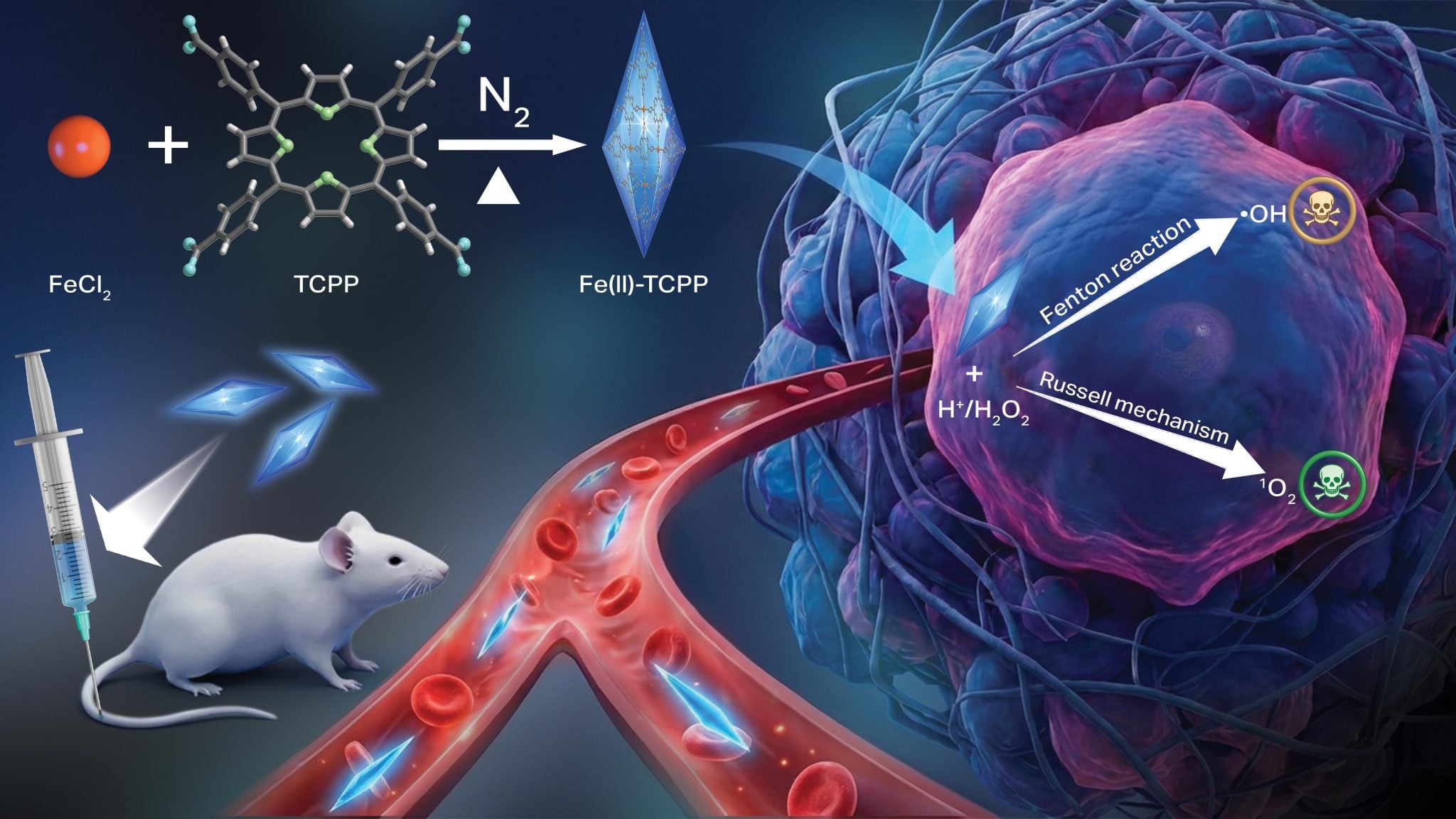
...scientists present a novel CDT nanoagent, an iron-based metal-organic framework or MOF. The MOF showed potent toxicity in multiple cancer cell lines and negligible...
I've associated MOFs with Direct Air Carbon Capture - interesting to see them here too. - TGR Editor

A bacterium from tree frogs' intestines has shown "remarkably potent" tumor-killing abilities when given intravenously, surpassing standard therapies and opening a new...

A common medication for preeclampsia, hydralazine, acts on an enzyme called 2-aminoethanethiol dioxygenase (ADO)—a molecular switch for oxygen that tells blood vessels...

Decades later, Xu's serendipitous discovery, known as histotripsy, is one of several approaches using ultrasound that are ushering in a new era of advanced cancer...

Halassy self-administered a treatment called oncolytic virotherapy (OVT) to help treat her own stage 3 cancer. She has now been cancer-free for four years.
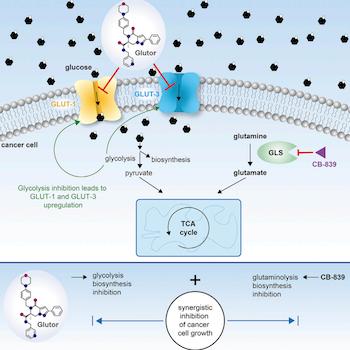
Researchers describe the discovery of a new, high-potency molecule that blocked several varieties of the glucose transport protein.
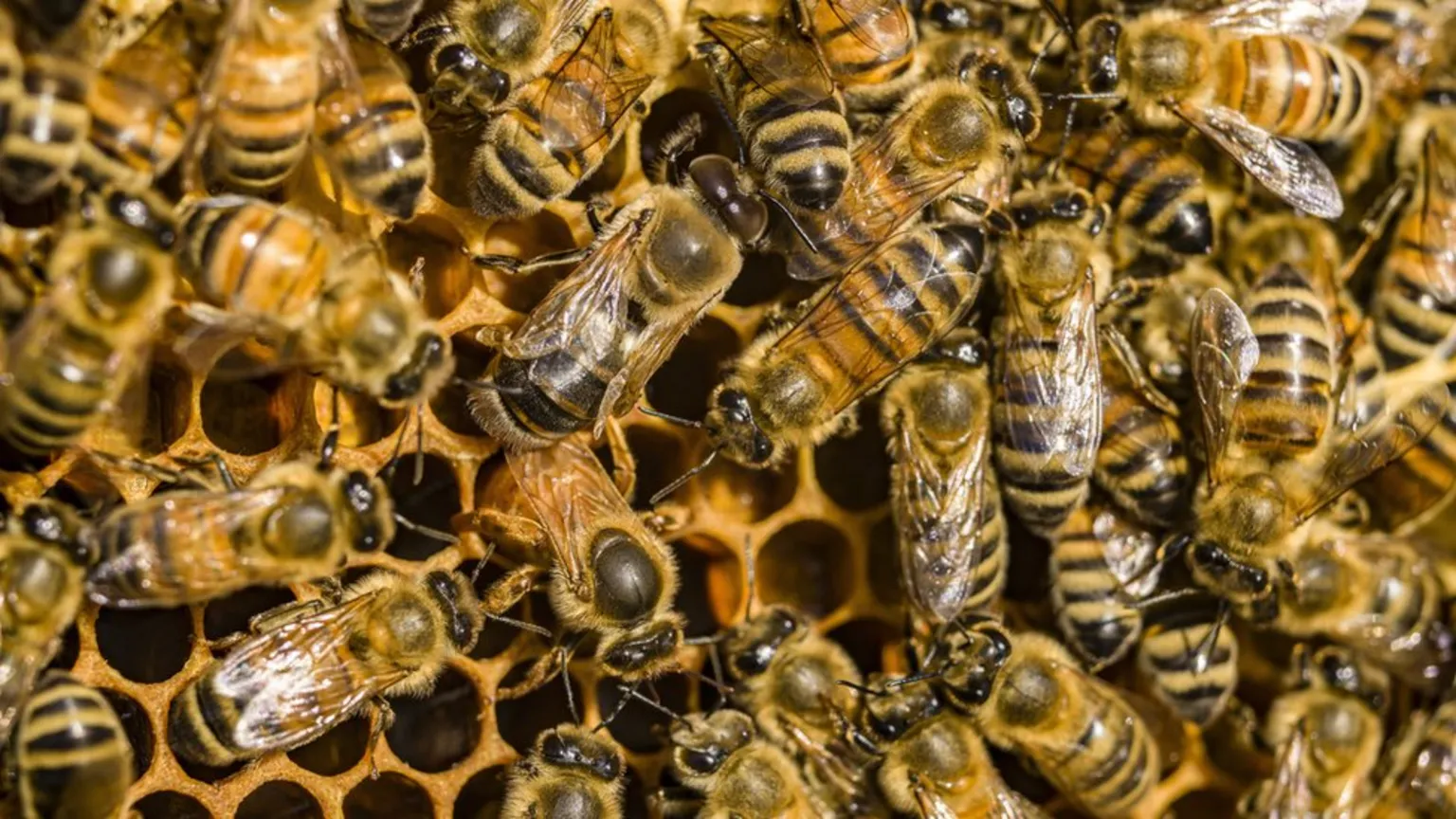
Australian scientists say the venom from honeybees has been found to destroy aggressive breast cancer cells in a lab setting.
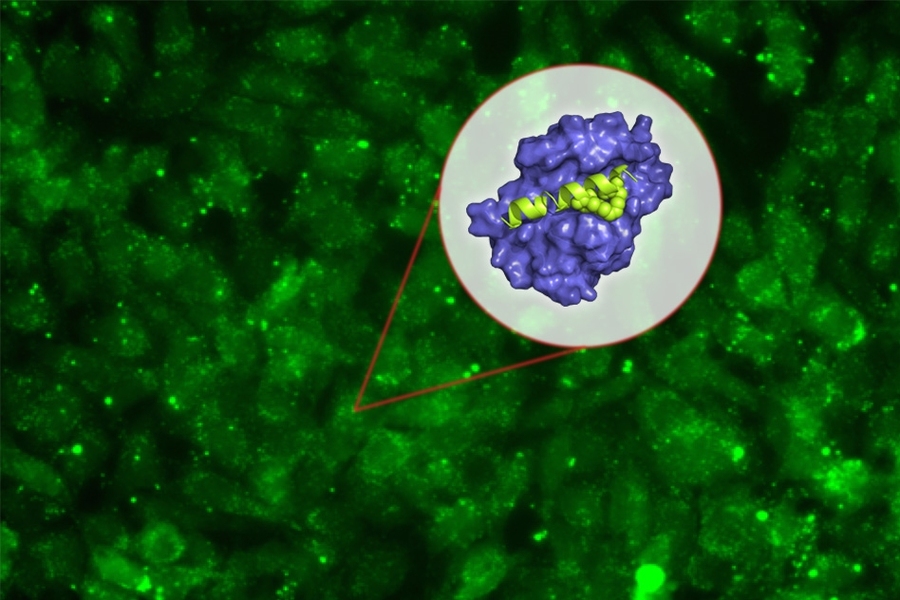
MYC is the protein responsible for making many cancer cases worse. Researchers have found a way to rein it in.

Doctors are hailing “off the chart” trial results that show a new drug stopped lung cancer advancing for longer than any other treatment in medical history.