
Transparent solar cells could be mounted right on windows
The team has developed ultrathin, semi-transparent perovskite solar cells that are 50 times thinner than conventional perovskite solar cells.
Good news, useful optimism, and meaningful progress from around the world.
The team has developed ultrathin, semi-transparent perovskite solar cells that are 50 times thinner than conventional perovskite solar cells.

Scientists have demonstrated a new plasma operating regime that could help solve two of fusion energy’s biggest challenges at once.

The process significantly lowers the extreme heating requirements of cement manufacturing by incorporating a preheating electrochemical conversion step.

In the new study, published May 14 in the journal Science, the scientists demonstrated that ultralow-power switching in the picosecond range was possible.

A giant floating platform is harvesting the Atlantic's heat. See how this OTEC test could replace diesel with constant ocean power.

Scientists racing to tackle plastic pollution have created a surprising new contender: a biodegradable packaging film made partly from milk protein.

...a worldwide resurgence of interest in geothermal, thanks to improving well technologies and rising power demand from data centres.
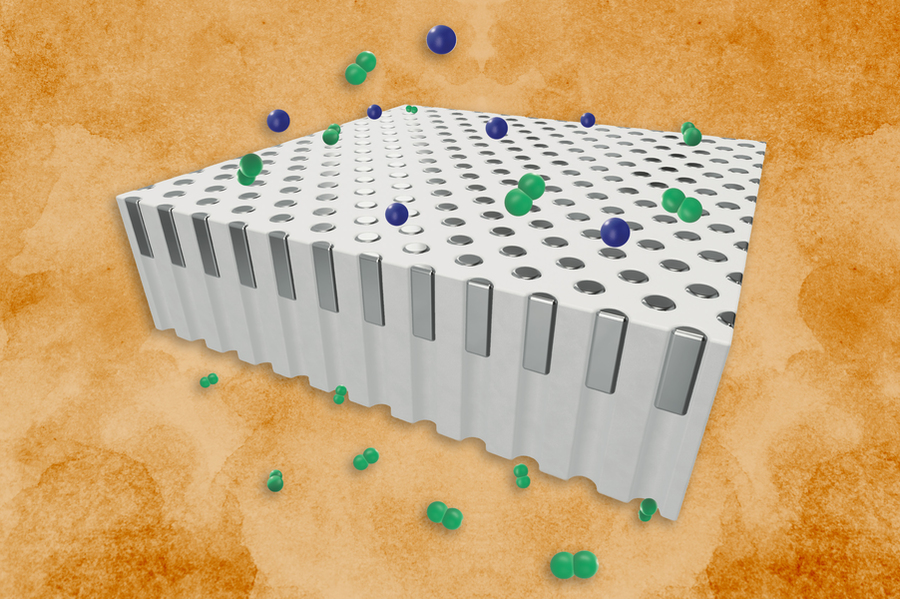
Engineers have developed a new palladium membrane that remains resilient at much higher temperatures. The thermally stable design opens opportunities for membranes to be...

"Zirconia really pulls double duty here," said Yixian Wang, "It helps densify the material [and] prevents dendrites from forming. It's a win–win for battery...

Mazama Energy said today that it had drilled a well in Oregon that reached 629˚ F (331˚ C). “This one site can produce 5 gigawatts of energy,” Khosla said.

The CEO of the company that developed the technology calls it a moonshot to revolutionize how California — and the world — can transform seawater into drinking water.

The new material improves absorption, tolerates cycling at scale over time, and lowers desorption temps.